Understanding Vata: The Dosha of Movement, Creativity, and Expression
Michelle Reum | SEP 4, 2024
vata
dosha
season
seasonal
diet
exercise
Vata is one of the three doshas in Ayurveda, composed of the elements air and space (ether). It is associated with qualities like movement, creativity, and flexibility. Vata governs all bodily movements, from the flow of breath to circulation and even the movement of thoughts and ideas in the mind. The Role of Vata in the Body
Vata is the driving force behind both physical and mental activity. It powers the body’s movements, such as muscle contraction and nerve impulses, and fuels the mind’s creativity and expression. When Vata is balanced, we experience enthusiasm, clarity, and vitality. However, when out of balance, it can lead to issues like anxiety, restlessness, dry skin, and digestive problems. Fall and Early Winter: The Vata Season
The fall and early winter seasons are considered Vata seasons in Ayurveda. During this time, the environment becomes cooler and drier, which can aggravate Vata. This may lead to restlessness, anxiety, dryness in the skin and body, and a scattered mind. It's crucial to take extra care during these months to balance Vata and avoid these common imbalances.
How to Balance Vata
Because Vata is cold, dry, light, and mobile, balancing it requires the opposite qualities: warmth, moisture, grounding, and stability. Here are some tips to help keep Vata in check:
1. Warm and Nourishing Foods: Focus on eating warm, cooked meals that are nourishing and grounding. Soups, stews, and warm cereals are excellent choices. Incorporate healthy fats like ghee and oils to help lubricate the body. Favor sweet, sour, and salty tastes to counter Vata's cold and dry nature.
2. Routine and Regularity: Establish regular daily habits. Wake up, eat, and go to bed at the same time each day to provide stability and calm the nervous system, which is often overactive in Vata individuals.
3. Stay Warm: Dress in layers, stay cozy with blankets, and enjoy warm baths or showers. Sipping on warm herbal teas throughout the day can also help maintain necessary warmth.
4. Gentle Exercise and Yoga: Engage in gentle, grounding activities like yoga, walking, or tai chi. Avoid overly strenuous or fast-paced activities that can aggravate Vata.
5. Express Creativity through Art and Dance: Vata types are naturally drawn to creative expression, making activities like dancing and artwork particularly nourishing during Vata season. Dance allows Vata individuals to channel their abundant energy in a joyful, fluid way, while art provides an outlet for their vivid imagination. Engaging in these activities can help ground Vata while simultaneously elevating mood and enhancing creativity.
6. Self-Massage with Warm Oil (Abhyanga): Regular self-massage with warm oil is a powerful way to balance Vata. Use warming oils like sesame or almond oil, and gently massage the oil into your skin before a warm shower or bath. This practice calms the nervous system, lubricates the skin, and promotes stability.
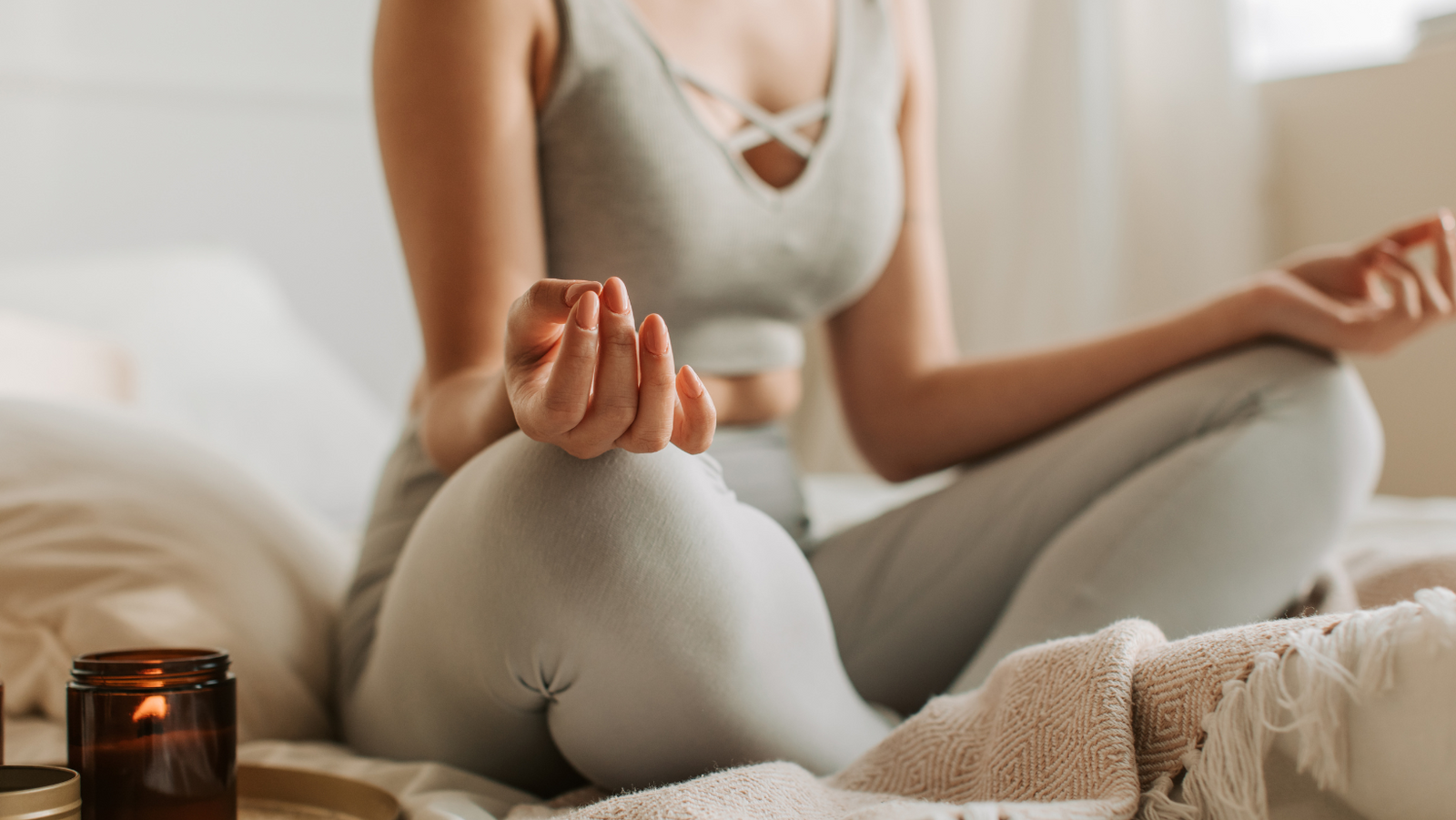
7. Mindful Breathing and Meditation: Incorporate practices like mindful breathing, meditation, or gentle pranayama exercises to calm the mind and settle Vata’s restless energy. Focus on slow, deep breathing to create a sense of inner calm. 7. Mindful Breathing and Meditation: Incorporate practices like mindful breathing, meditation, or gentle pranayama exercises to calm the mind and settle Vata’s restless energy. Focus on slow, deep breathing to create a sense of inner calm.
8. Hydrate: Since Vata is dry, it's crucial to stay hydrated. Drink plenty of warm water, herbal teas, and broths. Avoid cold or iced beverages, as they can increase Vata's cold and dry qualities.
Signs of Vata Imbalance
When Vata is out of balance, you might experience symptoms like anxiety, insomnia, dry skin, constipation, and irregular digestion. Mentally, an imbalanced Vata can lead to feelings of fear, worry, or difficulty focusing. Recognize these signs early and take steps to restore balance through diet, lifestyle, and Ayurvedic practices. ` Embrace Creativity and Movement
For Vata types, embracing their natural inclination towards creativity and movement can be especially beneficial. Engage in dancing, painting, or any other form of creative expression that speaks to you. These activities not only provide an outlet for your inspiration but also help ground your energy, promoting balance during the Vata season. The heightened sense of creativity and inspiration you might feel during this time is a gift of the Vata dosha—embrace it and let it fuel your artistic and expressive pursuits.
Seeking Further Guidance
If you're experiencing persistent Vata imbalances or need personalized advice, consider consulting an Ayurvedic practitioner. They can provide tailored recommendations and help you understand your unique constitution. By incorporating these practices into your daily routine, you can harness the positive qualities of Vata and enjoy a life full of creativity, movement, and vitality.




 OfferingTree